




























 Austin
 Benefits of Synthetic Grass Over a Traditional Lawn in Austin, TX
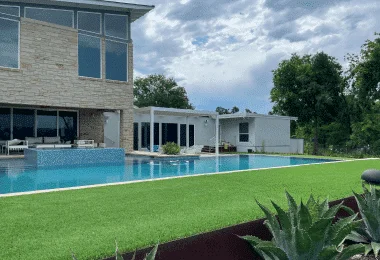
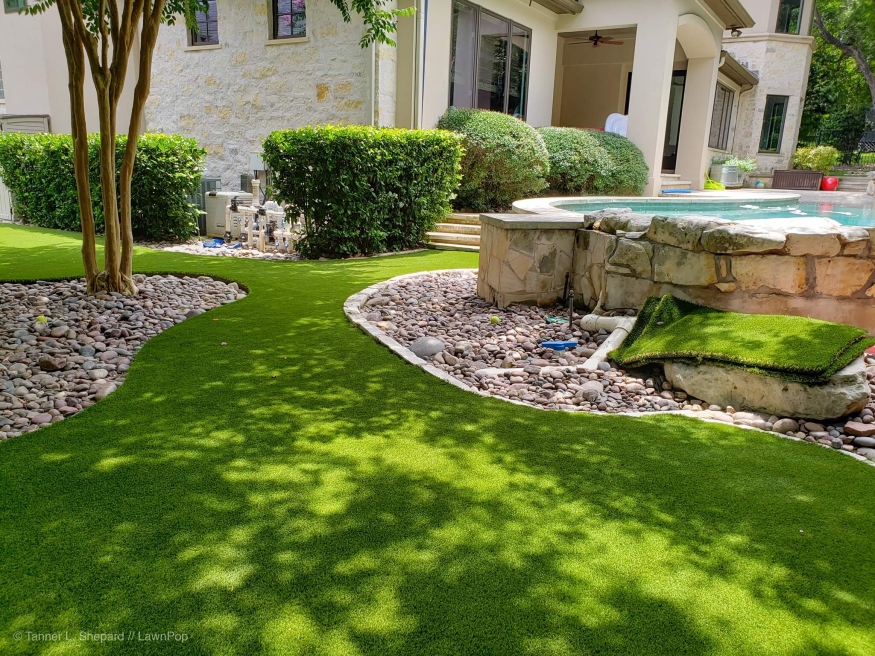
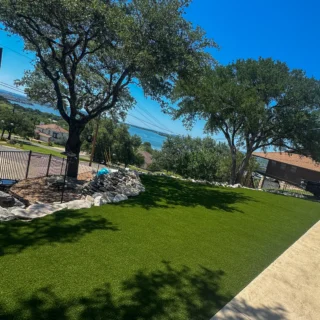
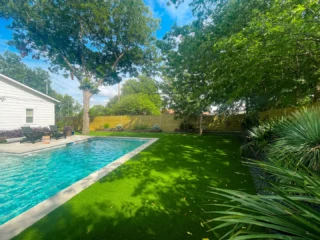
Homeowners across Austin, TX are increasingly choosing synthetic grass and artificial turf as a modern landscaping solution. With the region’s hot summers and occasional drought conditions, maintaining a traditional lawn can require significant water, time, and maintenance. Synthetic turf offers a smarter alternative that keeps your lawn looking green and healthy year-round.
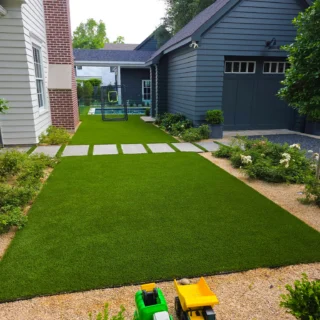
One of the biggest advantages of installing artificial grass in Austin, TX is the dramatic reduction in lawn maintenance. Synthetic turf eliminates the need for mowing, fertilizing, and constant watering. This not only saves time but can also significantly reduce water bills and landscaping costs over time. For many homeowners, switching to synthetic grass means enjoying a beautiful lawn without the ongoing upkeep required by natural grass.
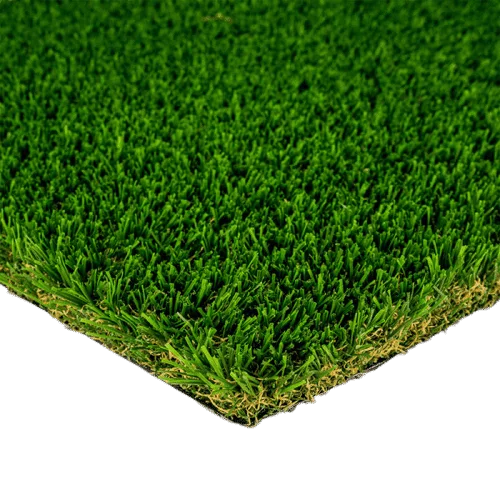
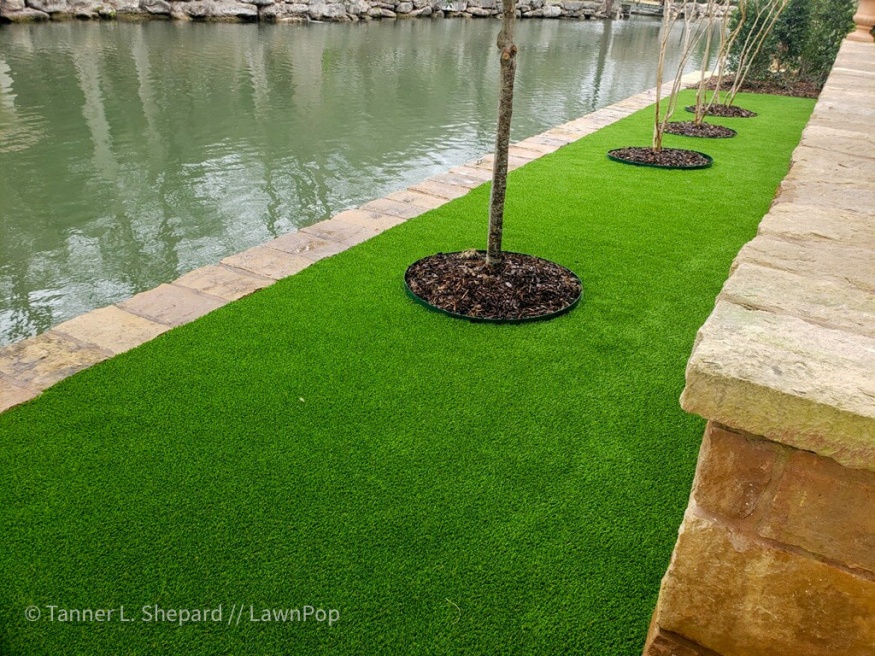
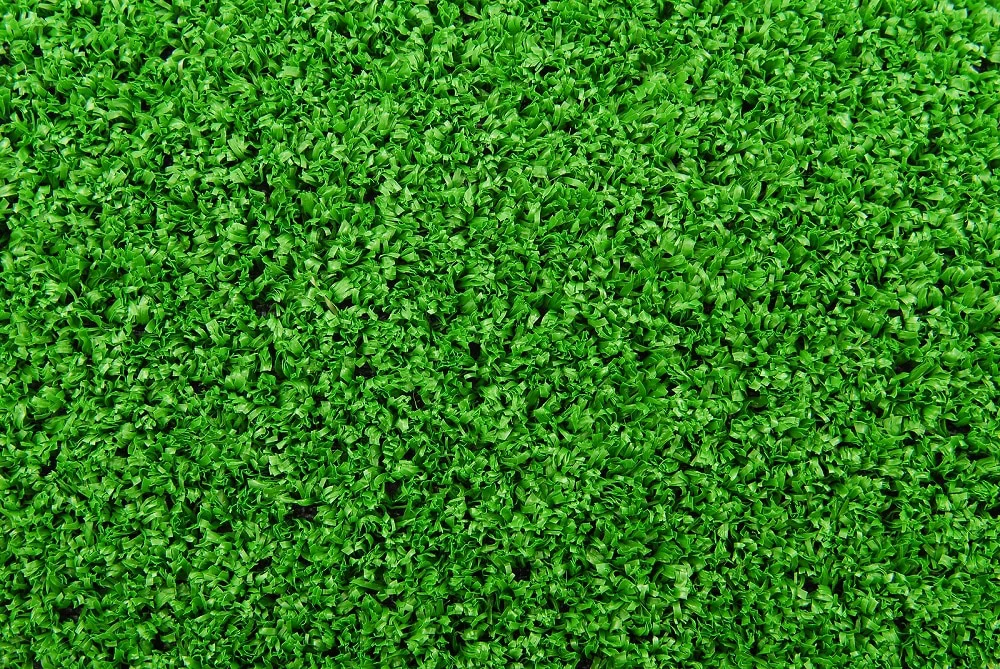
Another major benefit of synthetic turf is durability. High-quality artificial turf products are designed to withstand heavy foot traffic, pet activity, and changing weather conditions. Unlike traditional lawns that develop bare spots, mud patches, or uneven growth, synthetic grass maintains a consistent appearance across the entire yard.
Modern artificial turf systems also include advanced drainage features that allow water to flow through the surface quickly. This helps prevent puddles and keeps your lawn usable even after rain. The result is a clean, resilient landscape that remains attractive throughout every season.
For many homeowners, synthetic grass provides the perfect balance of beauty, practicality, and sustainability.
When Is Artificial Grass the Right Choice for Your Lawn?
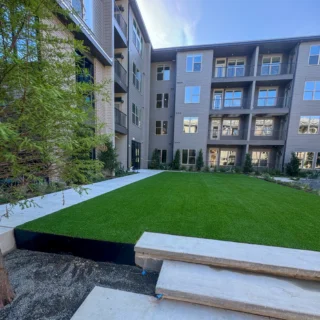
An artificial grass lawn can be an excellent solution for homeowners who want a consistently green landscape without the challenges of maintaining natural grass. If you find yourself spending hours mowing, watering, and maintaining your yard, installing synthetic turf may be a smart investment.
Artificial grass is especially beneficial for homeowners who experience:
- High water bills from irrigation
- Drought restrictions or limited watering schedules
- Shaded areas where natural grass struggles to grow
- Muddy yards caused by pets or heavy foot traffic
- Allergies triggered by grass pollen
By installing artificial grass in Austin, TX, you can create a landscape that looks beautiful year-round without the need for constant maintenance.
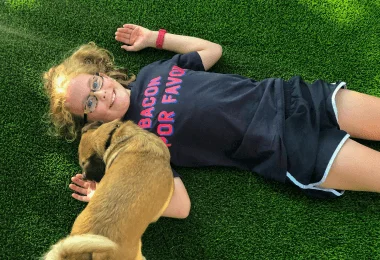
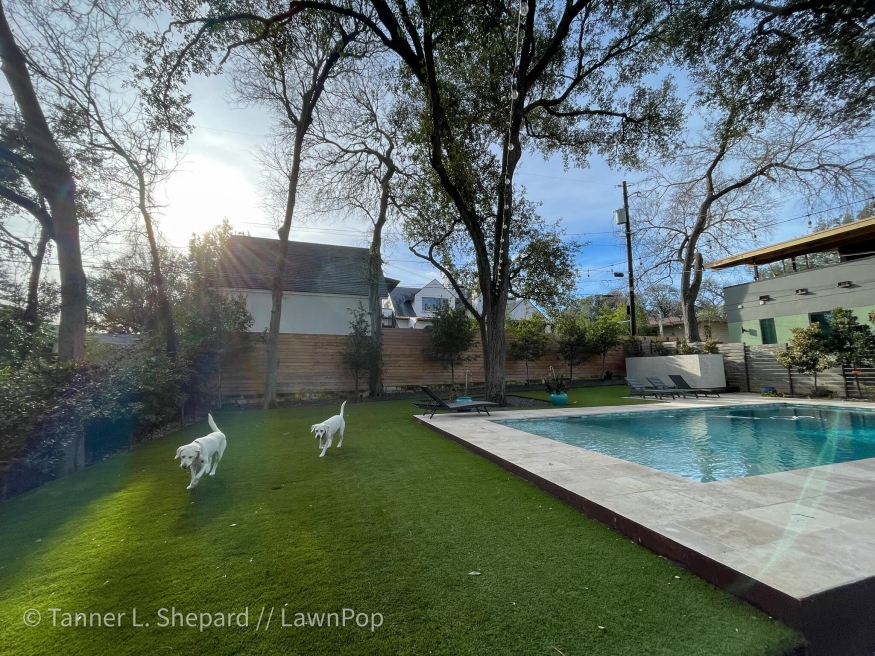
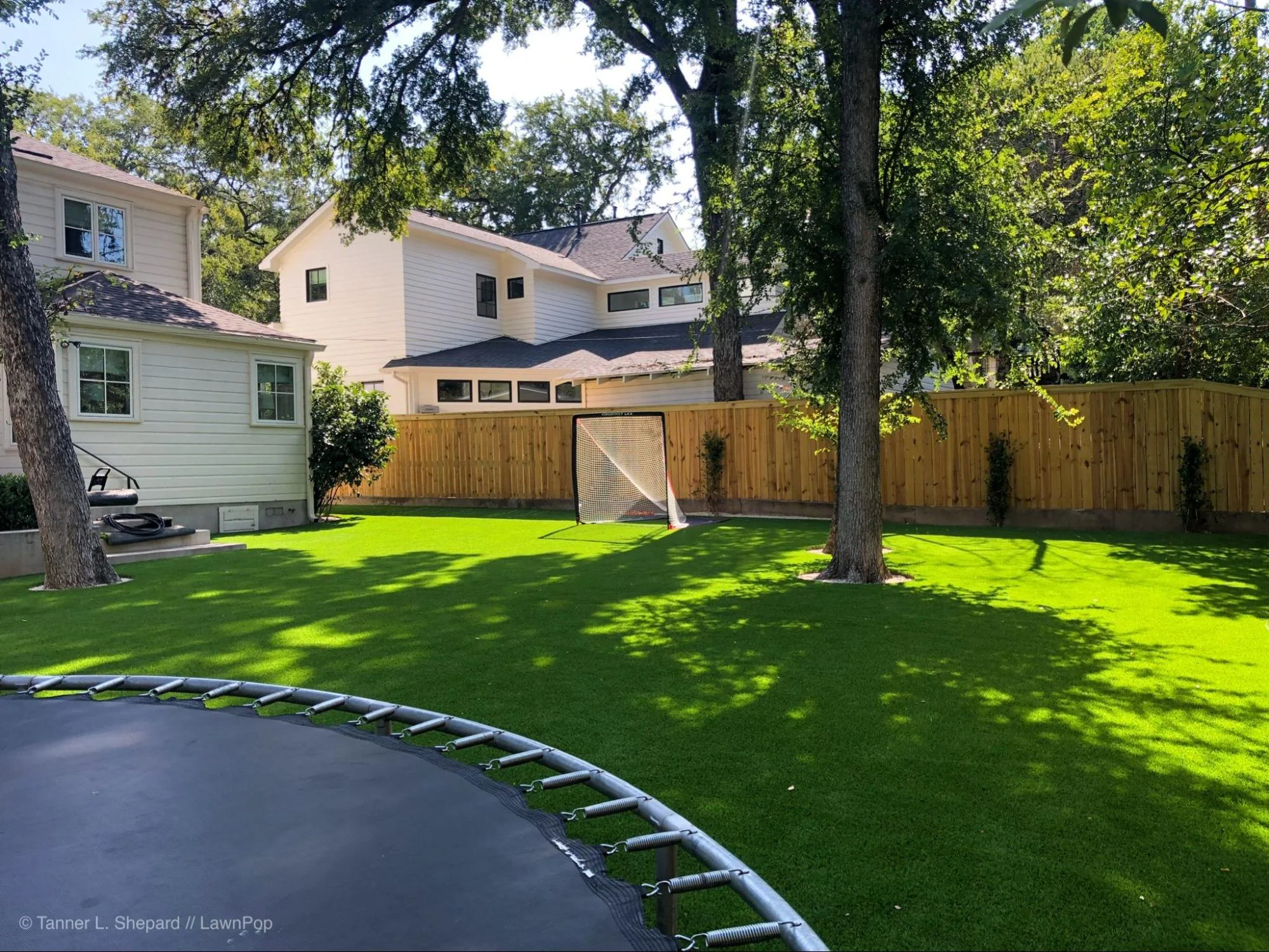
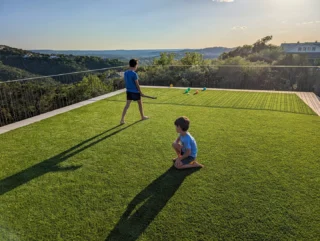
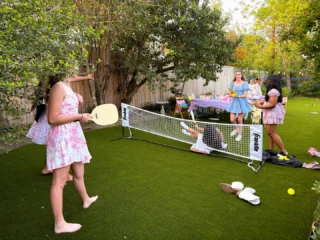
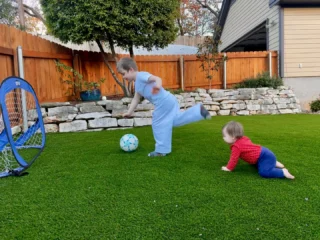
Artificial turf is also an excellent option for families who want to maximize outdoor living space. Because synthetic grass remains clean and even, it creates a safe and comfortable environment for children and pets to play.
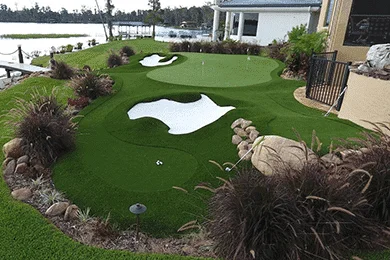
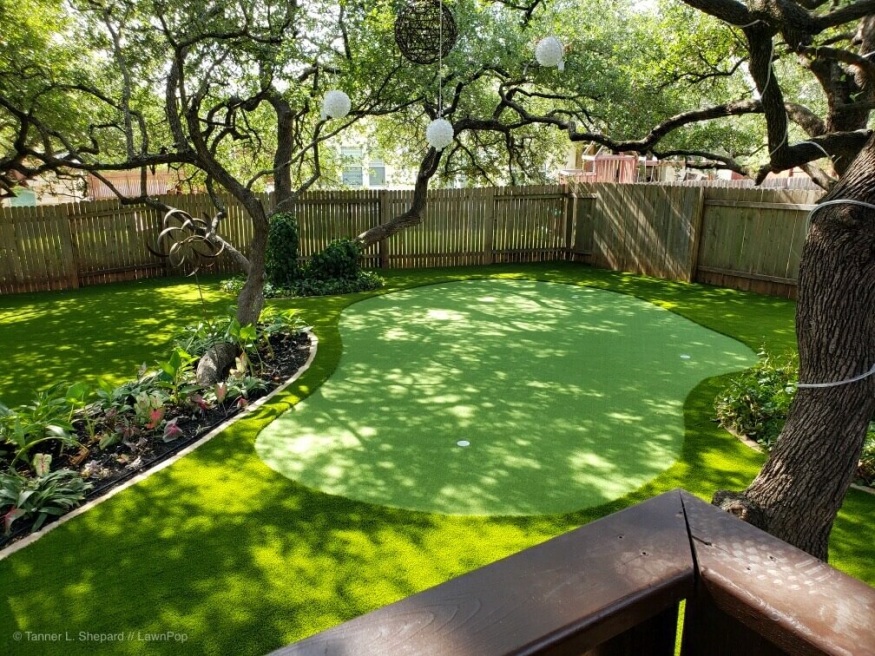
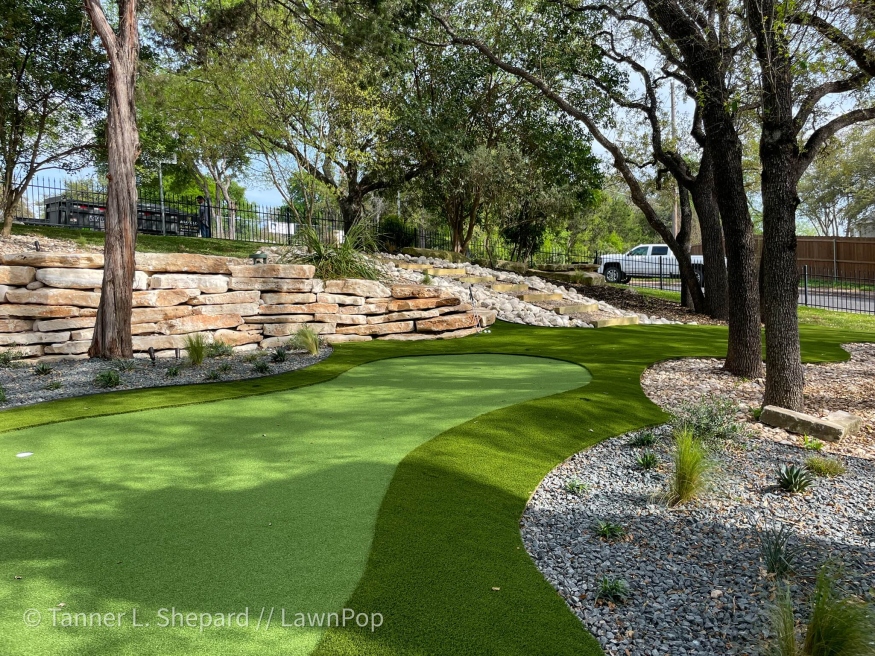
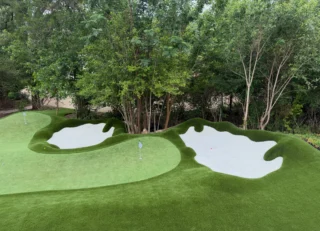
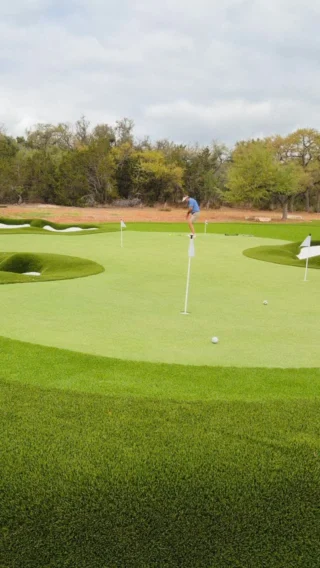
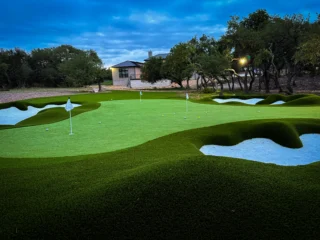
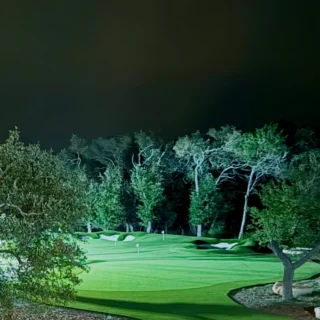
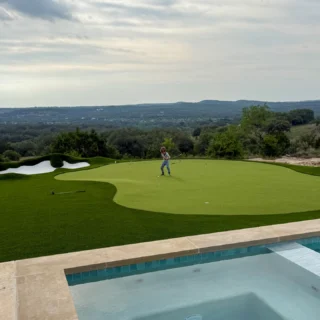
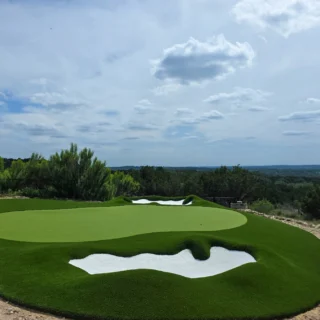
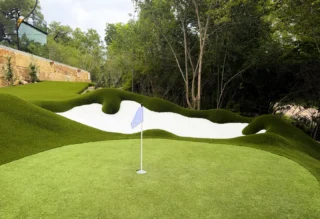
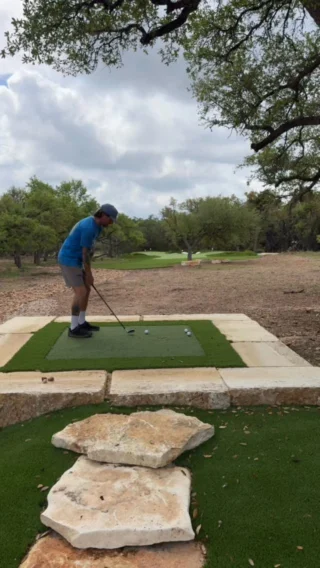
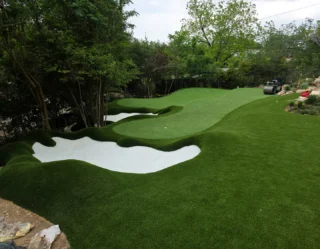
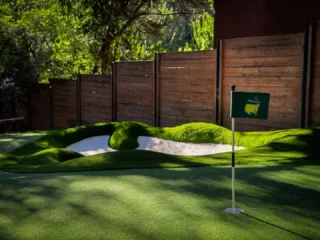
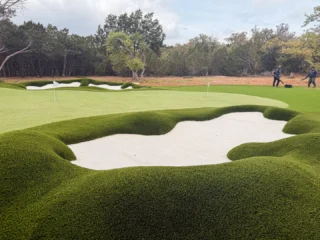
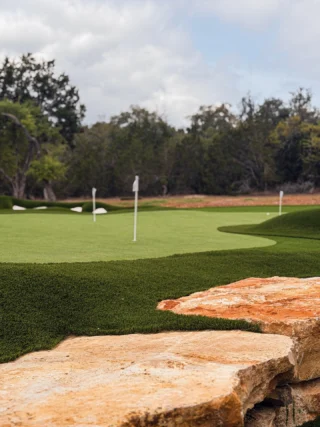
Many Austin homeowners also choose putting green turf installations to bring the golf experience into their own backyard. Custom artificial putting greens offer a professional-quality surface for practicing putting and short game skills while enhancing the overall look of the landscape.
Whether you want a low-maintenance lawn, a pet-friendly yard, or a custom backyard golf space, synthetic turf provides a versatile landscaping solution.
Artificial Turf for Modern Outdoor Living
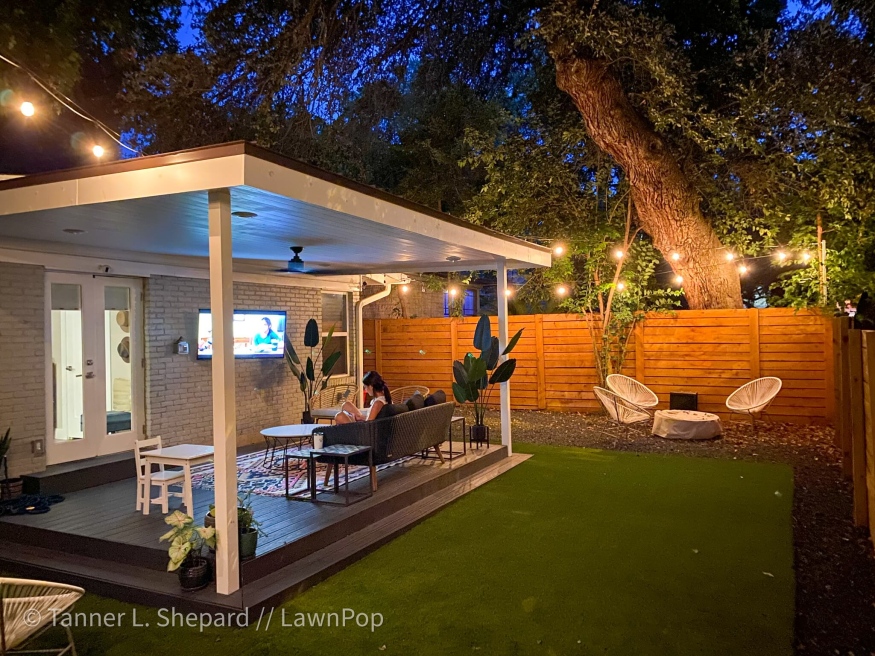
Outdoor living spaces have become an essential part of modern home design. In Austin, homeowners are transforming their backyards into relaxing environments where family and friends can gather throughout the year.
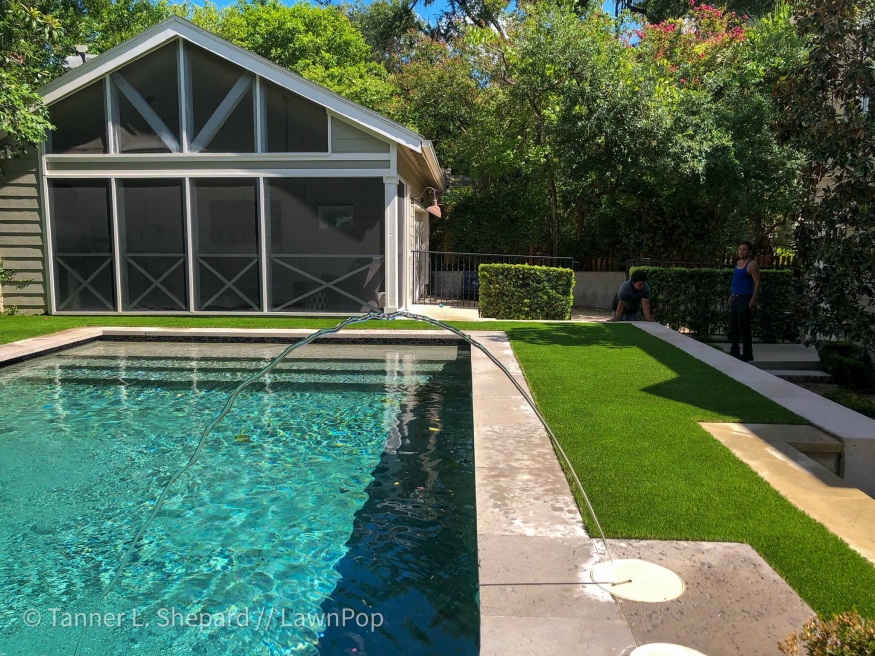
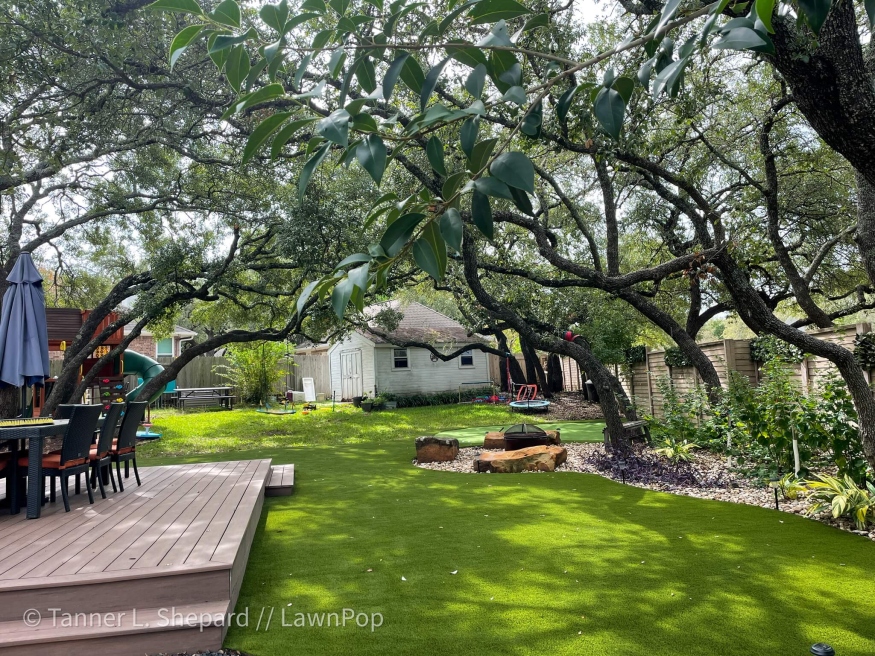
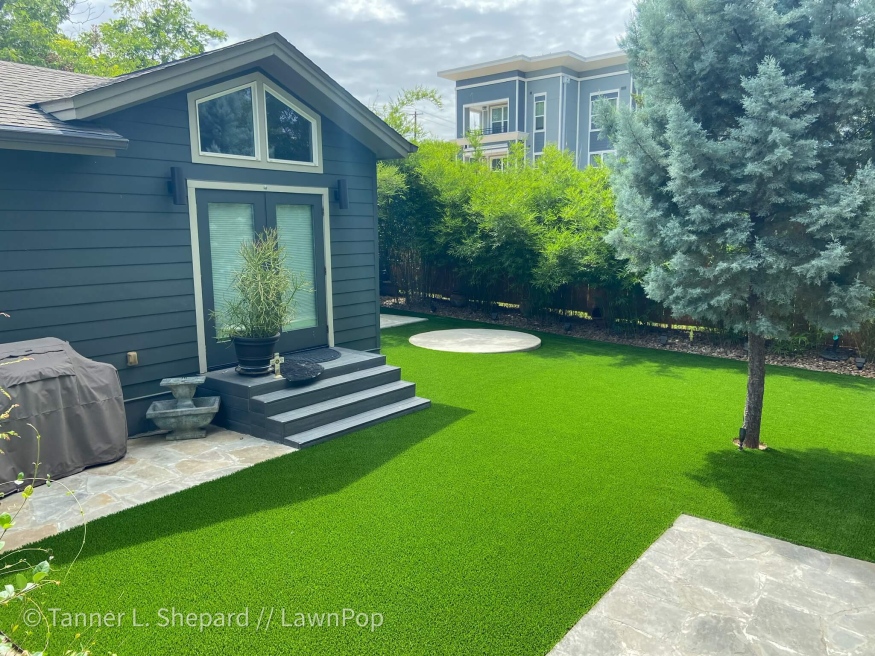
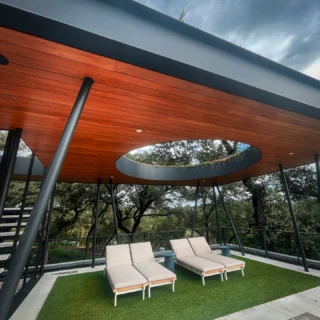
Artificial turf installation makes it easy to design outdoor spaces that are both functional and visually appealing. Synthetic grass works beautifully around patios, decks, fire pits, and outdoor kitchens. Because it stays green in all seasons, artificial turf helps create an inviting landscape that enhances the overall atmosphere of your property.
Many homeowners also install putting green turf as part of their outdoor entertainment areas. Backyard putting greens provide a fun recreational feature while adding a unique design element to the landscape.
Artificial grass is also widely used in:
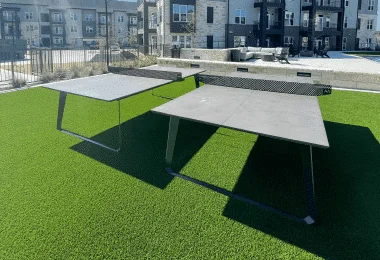
- Rooftop patios
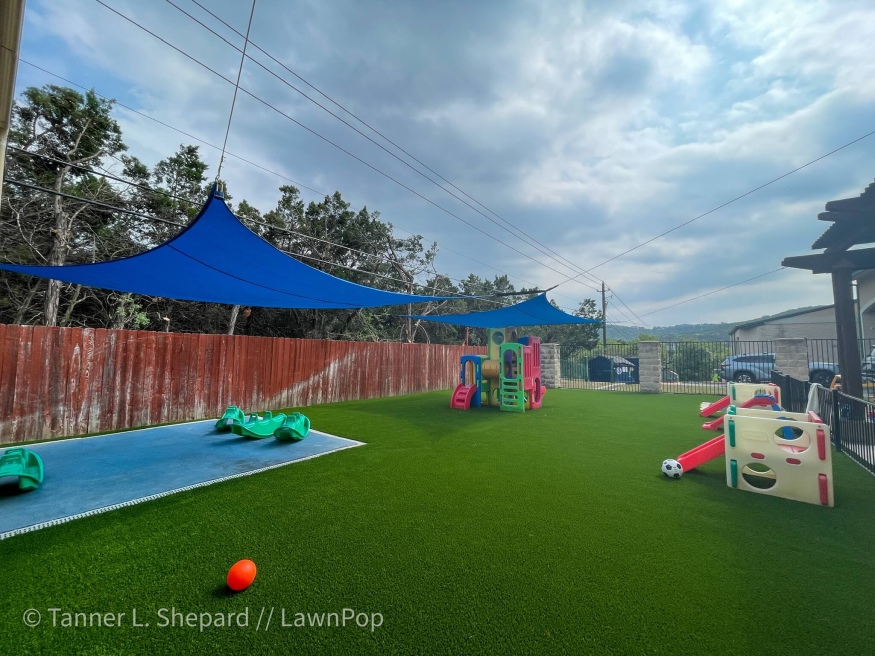
- Playground areas
- Pet spaces
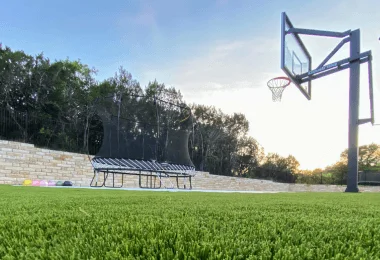
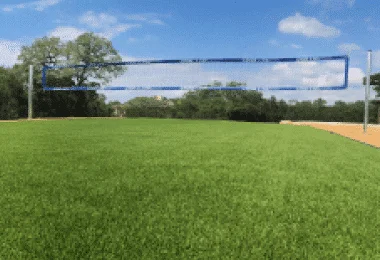
- Sports training zones
- Garden walkways
Because synthetic grass adapts to many different environments, it allows homeowners to create creative landscape designs that natural grass simply cannot support.
Water-Smart Landscaping for Texas Homes
Water conservation is becoming increasingly important throughout Texas. Lawn irrigation is one of the largest sources of residential water use, particularly during the hot summer months.
Installing synthetic turf in Austin can significantly reduce water consumption while maintaining a beautiful landscape. Artificial grass does not require irrigation, making it an environmentally responsible choice for homeowners who want to reduce their environmental impact.
In addition to conserving water, artificial turf eliminates the need for many chemical fertilizers and pesticides used in traditional lawn care. This helps create a cleaner outdoor environment for families, pets, and wildlife.
As more homeowners look for sustainable landscaping options, synthetic grass continues to grow in popularity throughout Austin.
Professional Artificial Turf Installation by LawnPop®
At LawnPop®, we are proud to provide high-quality synthetic grass and artificial turf installation in Austin, TX. Our team specializes in creating durable, natural-looking landscapes that require minimal maintenance while delivering long-lasting performance.
We install artificial turf systems for a wide variety of applications, including:
- Artificial lawns for residential landscapes
- Pet-friendly synthetic grass installations
- Artificial playground turf surfaces
- Putting green turf for backyard golf areas
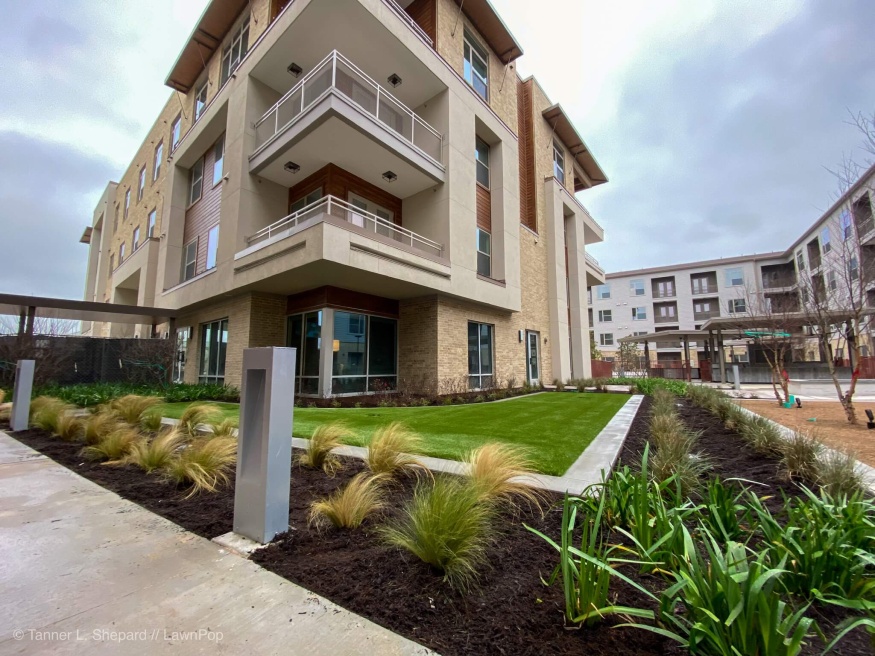
- Commercial artificial turf installations
- Sports and recreational turf systems
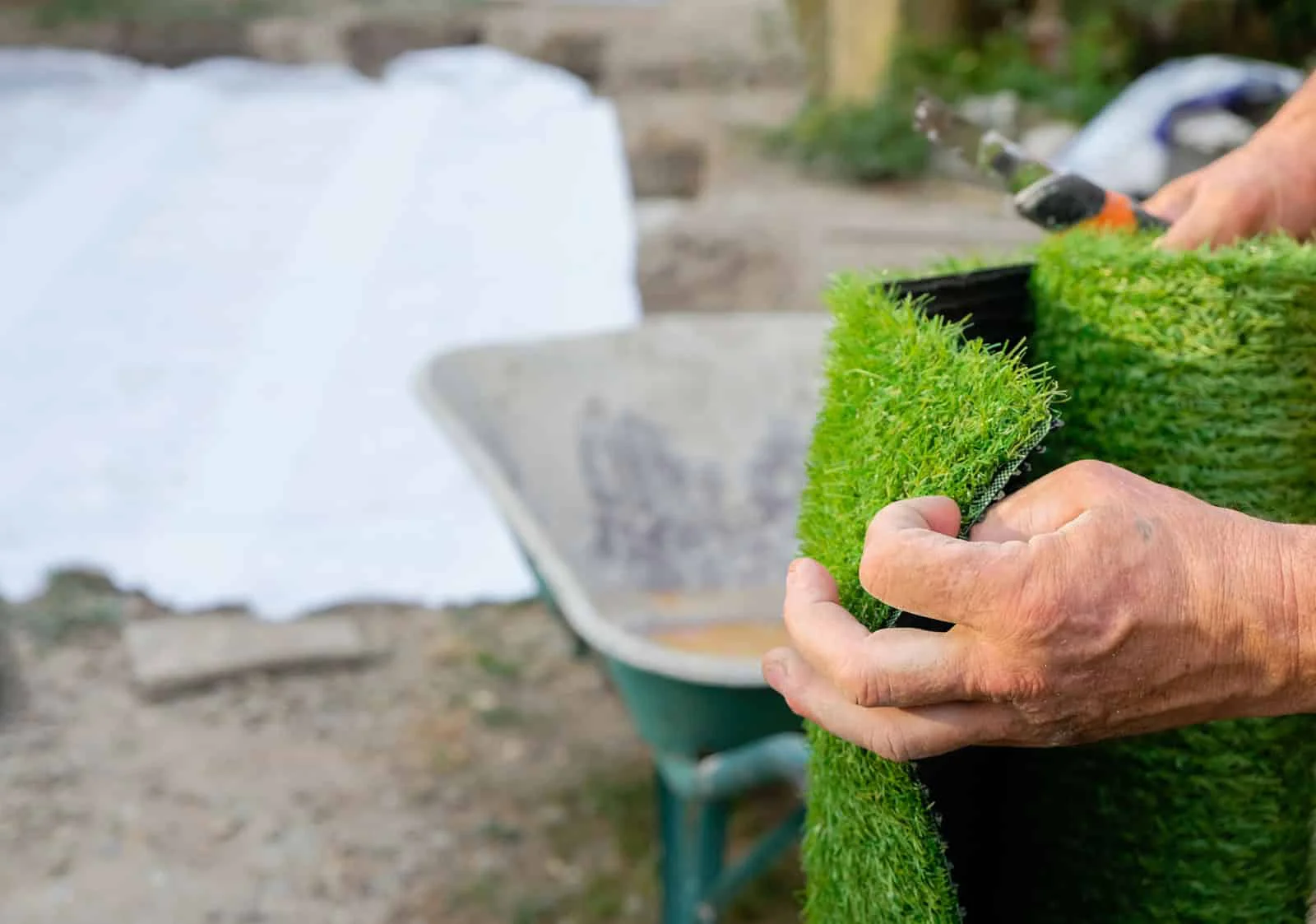
Each project begins with careful planning and professional installation techniques designed to ensure stability, proper drainage, and long-term durability.
Our goal is to help homeowners and businesses create smart, sustainable lawns that stay green year-round.
Call LawnPop® for a Smart Lawn Transformation
If you are ready to upgrade your outdoor space with synthetic grass, artificial turf, or putting green turf in Austin, TX, the team at LawnPop® is here to help.
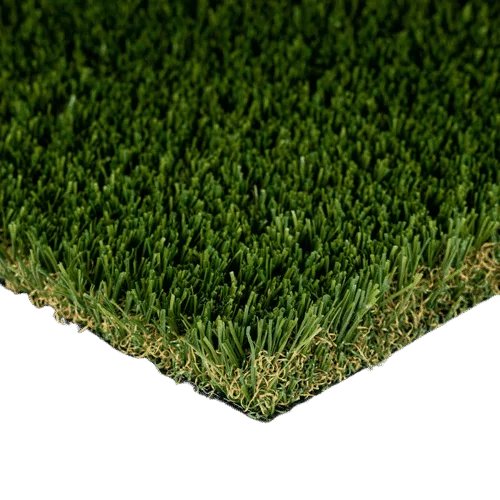
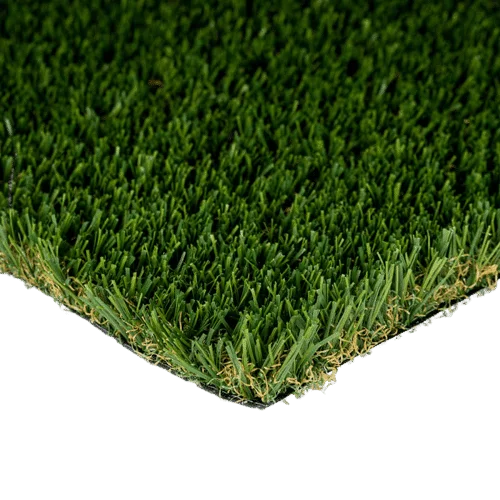
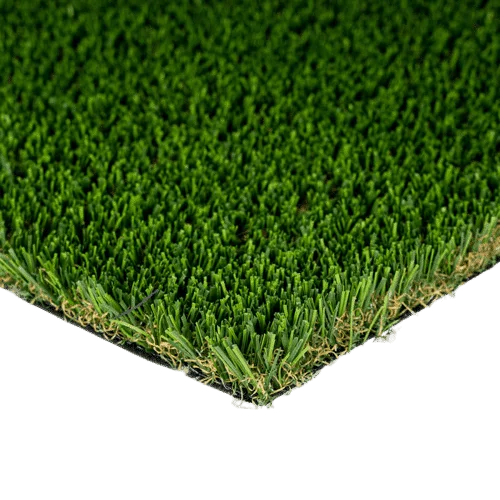
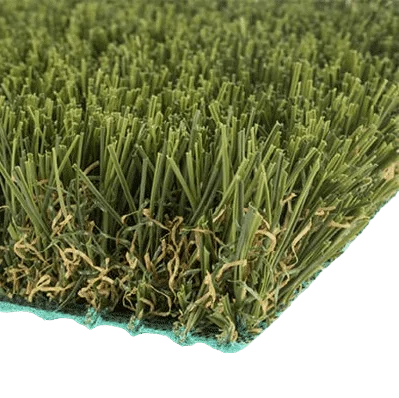
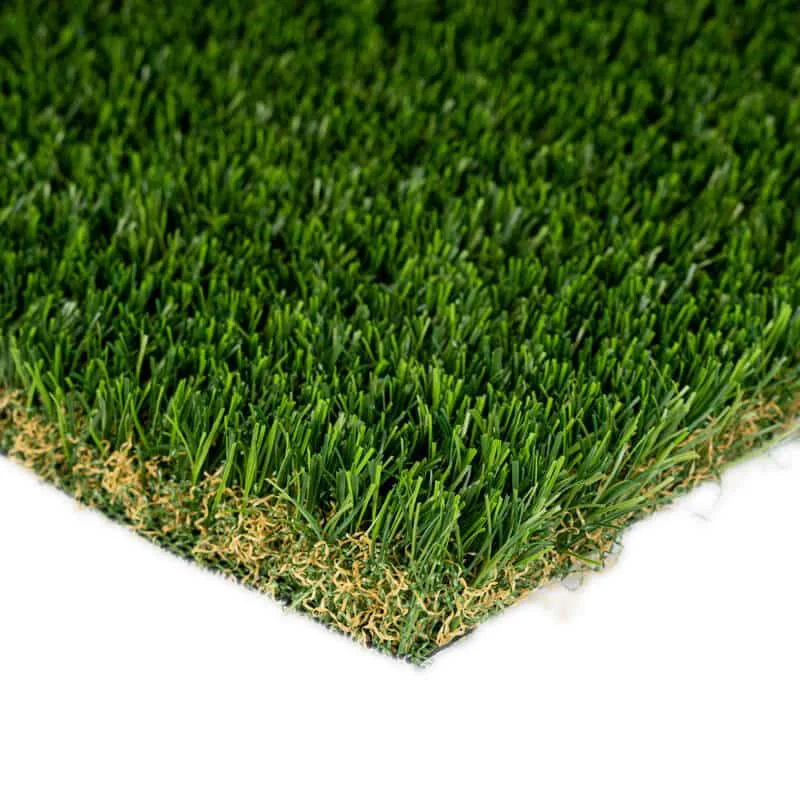
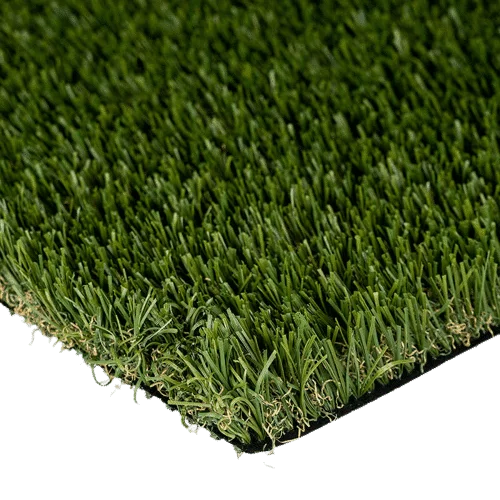
Our premium synthetic turf products offer the natural appearance of real grass combined with the durability and low maintenance that modern homeowners need. From backyard lawns to custom putting greens and pet-friendly landscapes, we create outdoor spaces that are both beautiful and practical.
Let LawnPop® transform your yard into a smart, sustainable lawn designed for the Texas climate.
Call (512) 298-0933 today or email [email protected] to schedule your free estimate and discover how artificial grass can enhance your Austin property.