



Artificial Grass vs. Sod: Which Is the Best Choice for Your Lawn?
Choosing the right lawn solution is no longer as simple as picking natural grass and hoping for the best. Homeowners today are weighing artificial grass vs sod more carefully than ever, factoring in cost, maintenance, water usage, appearance, and long-term value.
If you’ve ever struggled with dead patches, muddy yards, constant watering, or grass that won’t grow due to shade, you’re not alone. That’s why comparisons like turf vs sod, real grass vs artificial grass, and even fake grass for yards are becoming common questions.
This guide breaks down everything you need to know—from artificial grass cost to maintenance, durability, and backyard design ideas—so you can confidently choose the best option for your lawn.
What Is Artificial Grass?
Artificial grass, also known as artificial turf, is a manufactured surface designed to replicate the look and feel of natural grass. Many people also ask what is fake grass called or what is artificial grass called, and the answer depends on usage. Common names include synthetic turf, fake grass, and even astro turf, though modern turf products are far more advanced than early versions.
Today’s best artificial grass uses layered blades, realistic coloring, drainage systems, and soft backing to create a lawn that looks natural and performs year-round.
You’ll see artificial grass used in:
-
Residential lawns
-
Pet areas
-
Playgrounds
-
Putting greens
-
Commercial landscapes
-
Sports fields and baseball diamonds
It’s popular not only in the U.S., but globally in regions with water restrictions or extreme climates—places like artificial grass Cape Town, where sustainability and water conservation are major priorities.
What Is Sod — And Is Sod Real Grass?
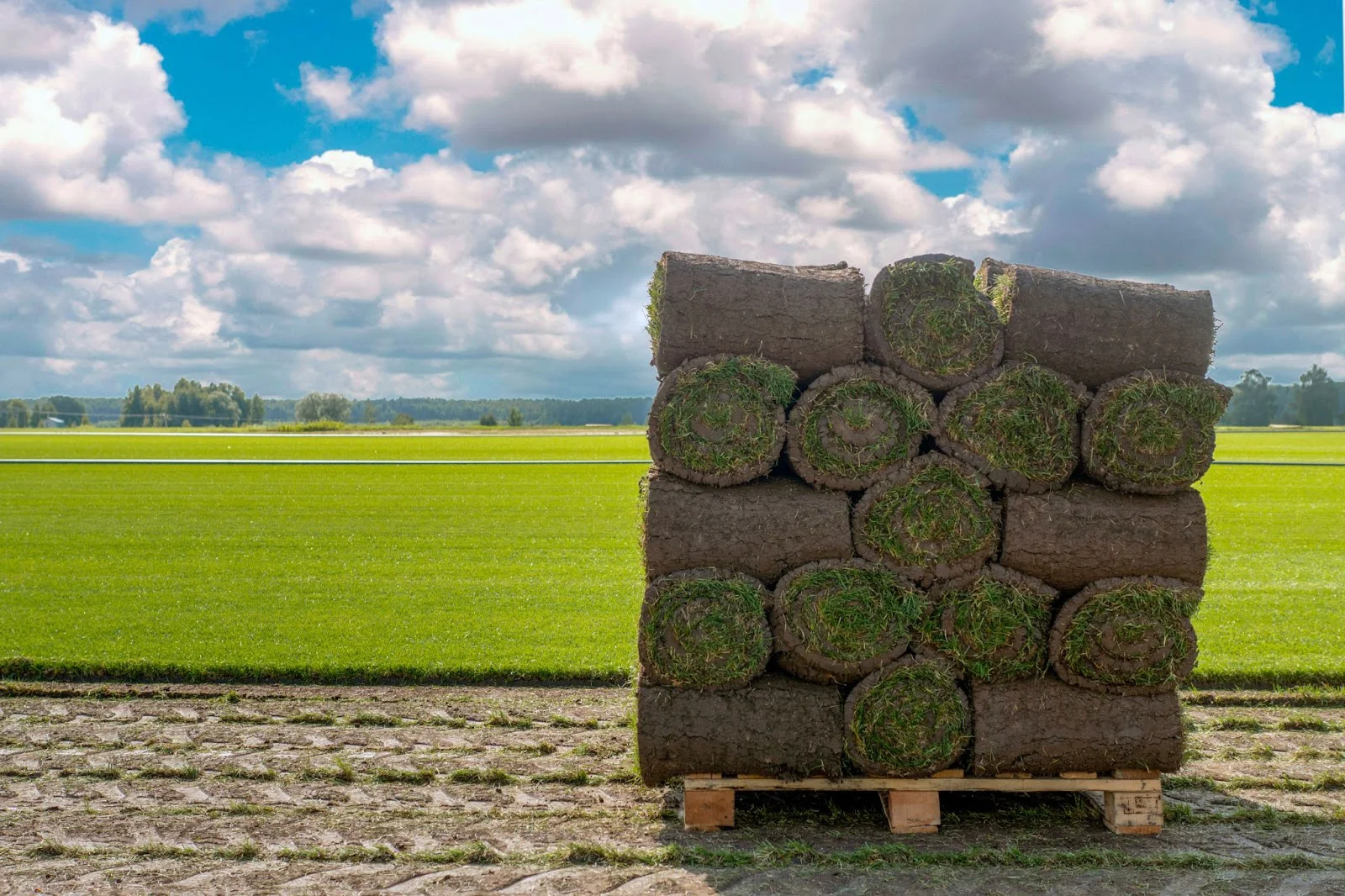
Sod is natural grass that has been grown elsewhere and harvested with its roots and soil intact. It’s delivered in rolls or squares and installed over prepared soil.
A common question homeowners ask is, is sod real grass? Yes—sod is 100 percent natural grass. However, it still requires watering, mowing, fertilization, and ongoing care to stay healthy after installation.
Sod can provide instant greenery, but its success depends heavily on sunlight, irrigation, soil quality, and consistent maintenance.
Artificial Grass vs. Sod Cost: What’s the Difference?
One of the biggest deciding factors is price. Comparing artificial grass vs sod cost requires looking beyond upfront numbers.
Artificial Grass Cost
The cost of artificial grass depends on turf quality, installation complexity, and base preparation. On average:
-
Artificial turf cost is higher upfront than sod
-
A typical 1,000 sq ft artificial grass cost varies based on materials and labor
Many homeowners search for an artificial turf cost calculator, but pricing is best evaluated through an on-site estimate because drainage, grading, and use case all matter.
Sod Cost
Sod is cheaper initially, but that’s only part of the equation. When comparing cost of artificial turf vs sod, you must factor in:
-
Water bills
-
Fertilizers and weed treatments
-
Mowing equipment or lawn services
-
Reseeding or replacing dead sod
Over time, cost of artificial grass vs sod often favors turf due to lower ongoing expenses.
Long-Term Value: Artificial Turf vs Sod
When evaluating artificial turf vs sod, think in years, not months.
Artificial grass:
-
Requires no watering
-
Eliminates mowing
-
Reduces long-term maintenance costs
-
Maintains appearance for years
Sod:
-
Requires weekly upkeep
-
Struggles in shade and high traffic
-
Can develop bare spots and weeds
-
Needs ongoing investment
For homeowners focused on long-term savings, artificial grass vs sod cost comparisons often shift in favor of turf within a few years.
Maintenance Comparison: Turf vs Sod
Artificial Turf Maintenance
One of the biggest benefits of artificial grass is minimal upkeep. Maintenance typically includes:
-
Occasional rinsing
-
Light brushing to maintain blade shape
-
Removing debris
No mowing. No watering. No fertilizing.
Sod Maintenance
Natural sod requires:
-
Weekly mowing
-
Regular watering
-
Weed control
-
Seasonal fertilization
-
Pest management
This difference alone makes turf vs sod an easy decision for many busy homeowners.
Pros and Cons of Artificial Grass
Understanding the pros and cons of artificial grass helps set realistic expectations.
Pros
-
Always green, year-round
-
Performs well in shade
-
Saves water
-
Durable for pets and kids
-
Ideal for high-traffic areas
-
Supports modern turf backyard ideas
Cons
-
Higher upfront installation cost
-
Professional installation recommended for best results
Despite the upfront investment, many homeowners find the benefits outweigh the drawbacks.
Appearance & Performance: Real Grass vs Artificial Grass
When comparing real grass vs artificial grass, appearance is often a concern. Modern turf products closely mimic natural grass, without seasonal browning or patchiness.
Artificial grass:
-
Maintains consistent color
-
Handles heavy foot traffic
-
Performs well under trees
-
Eliminates mud and uneven growth
Sod:
-
Changes appearance seasonally
-
Struggles in shaded areas
-
Wears down in high-use zones
This makes artificial turf vs sod especially appealing for families and pet owners.
Backyard Design & Use Cases
Artificial turf opens the door to creative outdoor designs that traditional grass struggles to support.
Popular backyard turf ideas include:
-
Pet-friendly zones
-
Children’s play areas
-
Backyard putting greens
-
Poolside turf
-
Rooftop or patio installations
These turf backyard ideas provide functional, low-maintenance spaces that stay usable year-round.
Pet & Family Considerations
For households with pets or kids, fake grass for yards offers practical advantages:
-
No muddy paws
-
Easy cleanup
-
Reduced allergens
-
Durable surface for play
Artificial turf is especially popular in dog runs and family yards where natural grass struggles to survive.
When Artificial Grass Is the Better Choice
Artificial grass is often the best option if:
-
Your yard has heavy shade
-
You want minimal maintenance
-
You live in a drought-prone area
-
You want a consistently green lawn
-
You need durability for pets or kids
In these cases, choosing the best artificial grass ensures long-term satisfaction.
When Sod May Still Make Sense
Sod can still be a good choice if:
-
You enjoy lawn care
-
Your yard receives full sunlight
-
You want a short-term landscaping solution
-
Upfront budget is the primary concern
There’s no universal answer—just the right solution for your lifestyle.
Final Verdict: Artificial Grass vs. Sod
So, artificial grass vs sod—which wins?
If you value:
-
Low maintenance
-
Water savings
-
Year-round appearance
-
Long-term value
Then artificial turf vs sod comparisons often favor turf.
If you prefer natural grass and don’t mind the upkeep, sod may still fit your needs.
The best choice depends on your goals, budget, and how you use your outdoor space.
Why Homeowners Choose LawnPop®
LawnPop® specializes in premium artificial grass solutions for residential and commercial applications. From small backyards to sports fields and putting greens, LawnPop® delivers professional installation, quality materials, and exceptional service.
Based in Texas, LawnPop® helps homeowners transform outdoor spaces into smart, sustainable lawns designed for real life.
Frequently Asked Questions (FAQs)
What is the difference between artificial grass and sod?
Artificial grass is a synthetic surface designed to look like natural grass, while sod is real grass grown and installed with soil and roots. Artificial grass requires significantly less maintenance and water than sod.
How much does artificial grass cost compared to sod?
Artificial grass usually costs more upfront than sod. However, it has much lower long-term maintenance and watering costs, which can make it more cost-effective over time.
How long does artificial grass last?
High-quality artificial grass can last anywhere from 10 to 20 years, depending on how it’s used, how well it’s installed, and how it’s maintained.
Is artificial grass safe for pets and children?
Yes. Modern artificial turf is made to be durable, non-toxic, and safe for both pets and children when installed correctly.
Do I need to water artificial grass?
Artificial grass does not need watering to grow. Occasional rinsing may be recommended to remove dust or debris and keep it clean.
Get a Free Artificial Grass Estimate
If you’re considering artificial turf and want to understand the real cost of artificial grass vs sod, LawnPop® offers free, no-obligation estimates.
Call (512) 298-0933 or Email [email protected]
Save water. Save time. Enjoy a green lawn year-round.