




Why Austin High Schools Are Switching to Turf for Football Fields
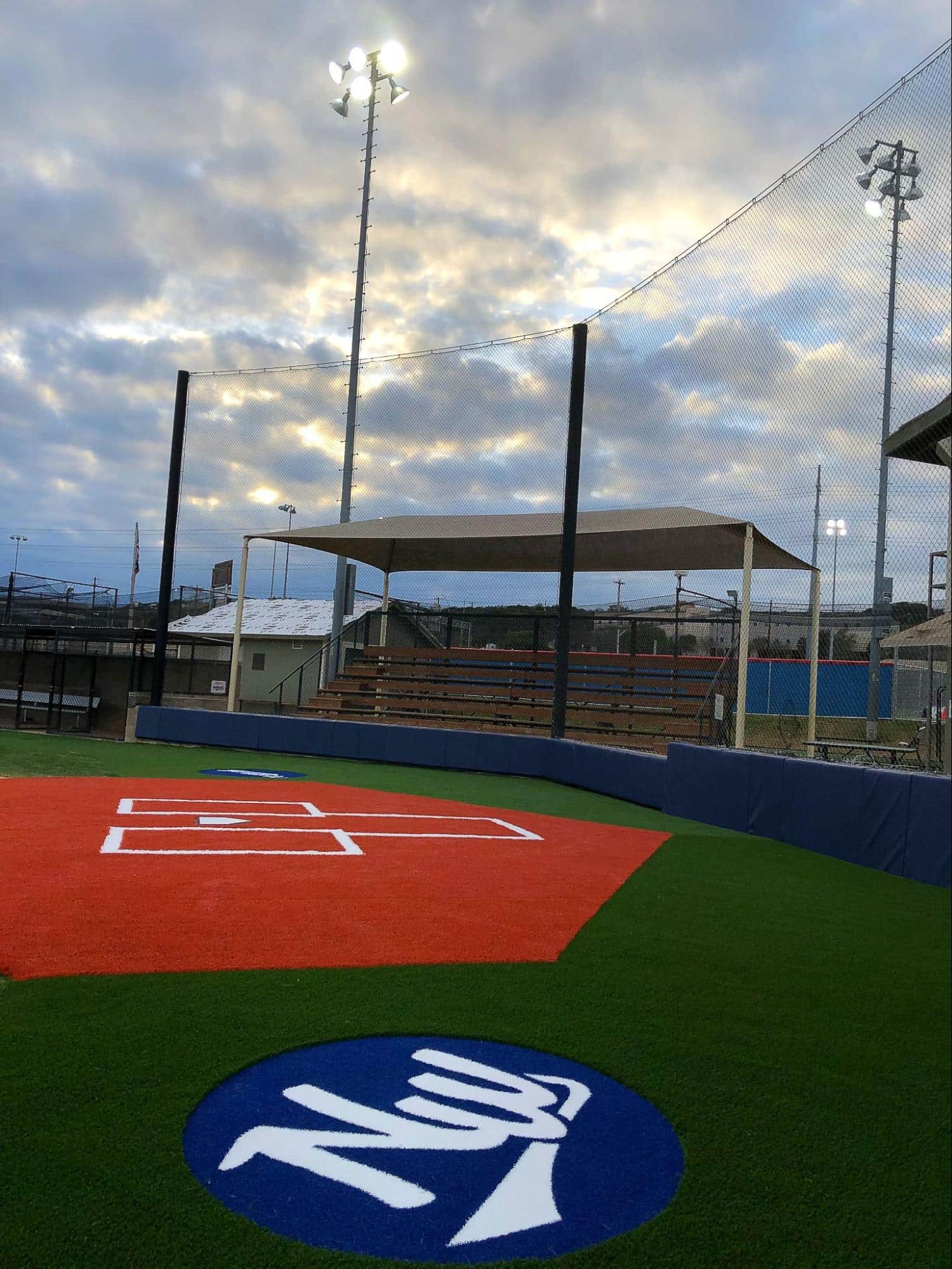
On Friday nights in Austin, high school football is more than a game. It’s community pride, student involvement, marching bands, and packed stadiums under the lights. But behind the scenes, school districts are making major decisions about what kind of playing surface those athletes step onto.
Across Austin and Central Texas, more high schools are replacing natural grass football fields with artificial turf. This shift isn’t driven by trends or aesthetics alone. It’s driven by climate, safety, budget realities, and long-term planning.
This guide breaks down why turf is becoming the preferred choice for Austin high school football fields, what problems it solves, and why schools are partnering with experienced turf providers to get it right the first time.
Austin’s Climate Is Tough on Natural Grass Fields
Central Texas weather is one of the biggest reasons schools are moving away from natural grass.
Austin fields face:
- Long summer heat
- Water restrictions
- Heavy rainfall during storm seasons
- Drought cycles
- High field usage year-round
Natural grass struggles to recover under these conditions, especially when fields host:
- Football practices
- Varsity and JV games
- Soccer
- PE classes
- Band practice
- Community events
Once grass thins or dies, fields become uneven, muddy, and unsafe.
Artificial turf removes weather from the equation.
Water Conservation Is a Major Priority for Texas Schools
Water use is one of the biggest ongoing costs tied to natural grass fields.
According to the Environmental Protection Agency, outdoor irrigation can account for nearly 30 percent of total water use, and even more in hot climates like Texas.
Source: https://www.epa.gov/watersense
A single natural grass football field can require hundreds of thousands of gallons of water per year just to stay playable.
Artificial turf:
- Requires no irrigation
- Eliminates watering schedules
- Helps schools meet sustainability goals
- Reduces utility expenses
For districts under pressure to conserve resources, turf provides an immediate and measurable solution.
Consistent Playing Conditions Improve Athlete Safety
Player safety is a top concern for coaches, parents, and school administrators.
Natural grass fields can become:
- Hard and compacted during drought
- Slippery and muddy after rain
- Uneven due to wear patterns
These conditions increase the risk of ankle injuries, slips, and non-contact injuries.
Modern artificial turf systems are engineered to:
- Provide consistent traction
- Offer shock absorption
- Drain quickly after rain
- Stay level across the entire field
According to research published in sports medicine journals, properly installed and maintained turf fields provide predictable performance, which helps athletes adjust movement and reduce unexpected footing issues.
Turf Handles Heavy Use Without Downtime
One of the biggest challenges for Austin high schools is field scheduling.
Natural grass fields need rest. Turf fields do not.
A single turf field can host:
- Multiple football practices daily
- Back-to-back games
- Soccer matches
- Band rehearsals
- Community events
All without needing days or weeks to recover.
This flexibility allows schools to:
- Maximize facility usage
- Reduce maintenance shutdowns
- Support multiple sports programs
For growing districts, that flexibility matters.
Long-Term Costs Favor Artificial Turf
While artificial turf has a higher upfront installation cost, many Austin schools focus on long-term budgeting, not short-term expenses.
Natural grass fields require:
- Weekly mowing
- Fertilizers
- Reseeding
- Irrigation systems
- Field repairs
- Labor costs
Over a 10–15 year period, those costs add up.
Artificial turf:
- Reduces maintenance labor
- Eliminates fertilizer and irrigation expenses
- Lowers equipment costs
According to studies cited by school facility planning groups, turf fields often become cost-competitive or cheaper than grass when evaluated over their full lifecycle.
Drainage Matters in Central Texas
Austin storms can dump large amounts of rain in short periods.
Natural grass fields often struggle with:
- Standing water
- Mud buildup
- Field closures
Artificial turf systems are designed with advanced drainage layers that move water away quickly.
That means:
- Games rarely get canceled
- Practices resume faster
- Fields stay usable after storms
For athletic directors, fewer cancellations mean fewer scheduling headaches.
Year-Round Green Matters for School Pride
High school stadiums are visible landmarks in Austin communities.
Artificial turf stays green:
- During drought
- In extreme heat
- Throughout the school year
That consistent appearance supports:
- School pride
- Recruiting
- Community events
- Broadcast quality for games
While looks aren’t the main reason for switching, they’re a meaningful benefit.
Turf Supports Multi-Sport and Multi-Use Facilities
Austin high schools increasingly design athletic facilities for multi-use, not single sports.
Artificial turf supports:
- Football
- Soccer
- Lacrosse
- PE classes
- Marching band
Lines for multiple sports can be integrated directly into the turf, reducing setup time and wear.
This makes turf fields more versatile and valuable.
Modern Turf Is Not the Turf of the Past
Older turf systems earned criticism decades ago, but technology has changed dramatically.
Today’s artificial turf:
- Uses advanced infill systems
- Mimics natural grass feel
- Improves impact absorption
- Reduces surface heat with proper materials
School districts evaluate turf systems carefully, focusing on performance standards and safety certifications.
Maintenance Is Predictable and Manageable
Artificial turf still requires maintenance, but it’s predictable.
Tasks include:
- Brushing fibers
- Checking infill levels
- Removing debris
Unlike grass, turf doesn’t require emergency repairs after weather events or high-traffic weeks.
That predictability helps schools plan budgets and staffing more effectively.
Environmental Benefits Beyond Water Savings
Turf fields contribute to sustainability goals in multiple ways:
- Reduced water use
- No fertilizers or pesticides
- Lower emissions from mowing equipment
For districts focused on environmental stewardship, turf aligns with broader green initiatives.
Why Installation Expertise Matters
Not all turf installations are equal.
Poorly installed turf can lead to:
- Drainage failures
- Surface unevenness
- Shortened lifespan
That’s why schools partner with experienced turf professionals who understand:
- Texas soil conditions
- Athletic performance standards
- Proper base construction
Experience makes the difference between a field that lasts and one that becomes a problem.
Why Schools Trust LawnPop®
LawnPop® is based in Austin and understands the unique demands of Texas landscapes and athletic facilities.
LawnPop® provides:
- Professional artificial turf installation
- Sports field turf solutions
- High-performance synthetic grass systems
They approach every project with:
- Attention to detail
- High installation standards
- A service-first mindset
From small installations to full athletic fields, LawnPop® applies the same commitment to quality.
Turf Is a Strategic Decision, Not a Trend
Austin high schools aren’t switching to turf because it’s popular. They’re switching because it solves real problems:
- Water conservation
- Field availability
- Safety
- Long-term cost control
As more districts experience the benefits firsthand, turf continues to gain traction across Central Texas.
What Schools Consider Before Switching
Before making the move, schools typically evaluate:
- Usage demands
- Budget projections
- Maintenance resources
- Safety data
Partnering with the right turf provider helps guide those decisions with clarity and confidence.
Frequently Asked Questions (FAQs)
Why are Austin high schools switching from natural grass to artificial turf?
Austin schools switch to artificial turf to handle heat, drought cycles, water restrictions, and heavy field use. Turf stays playable when grass thins out, gets muddy, or becomes uneven from constant practices and events.
Does artificial turf help schools conserve water in Central Texas?
Yes. Artificial turf does not require irrigation, which helps districts reduce outdoor water use and stay aligned with conservation goals during hot, dry Austin seasons.
Is artificial turf safer than natural grass for high school football?
Modern turf systems are built for consistent traction, level footing, and reliable shock absorption. That consistency helps reduce surprise slips and uneven spots that can happen on worn or muddy grass fields.
How does turf support multi-sport and year-round field scheduling?
Turf fields can host back-to-back games, daily practices, soccer, band rehearsals, and community events without needing recovery time. That means fewer closures and more usable hours for growing school programs.
What should Austin schools look for when choosing a turf installer?
Schools should prioritize proper base construction, drainage design, and proven experience with Texas soil and storm conditions. Installation quality affects field lifespan, safety, and how well the surface drains after heavy rain.
The Future of High School Football Fields in Austin
As Austin grows and resources become more valuable, artificial turf will continue to play a larger role in school athletics.
Fields that perform consistently, conserve water, and support multiple programs simply make sense.
If your school or organization is exploring artificial turf for athletic fields, LawnPop® is the artificial turf expert and artificial grass and lawn provider trusted across Texas. Based in Austin, LawnPop® delivers high-quality turf solutions designed for performance, durability, and sustainability. Call 512-806-0438 today to schedule a consultation and learn how artificial turf can transform your field.